- There are 5 kinds of benthic invertebrates
-Caddisfly (Thrichoptera) 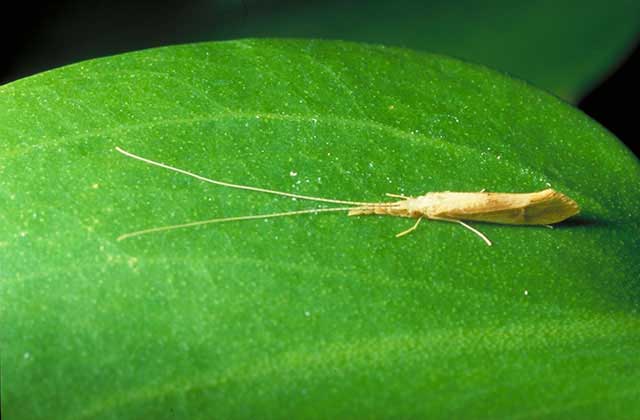
-Mayfly (Ephemeroptera) 
- -Stonefly (Plecoptera)

- -Flies/Chironomids (Diptera)

- They tell you about the quality of the water by the different varieties surviving there, some benthic invertebrates can't survive in poorer conditions, where as other can survive in a wide range of places, so by the type of benthic invertebrates living in an area you can infer what the quality of the water might be. Organisms like these are called bioindicators, because they tell you about the heath and quality of the water.
- The amount of food available for benthic invertebrates has a direct relationship with their population. Benthic invertebrates have many different way of feeding, and different things they feed on. There are five different feeding groups of benthic invertebrates
- There are different habitats for benthic invertebrates, depending on the size and population of the habit the number of benthic invertebrates in an area varies. The habitat types are:
- The population of benthic invertebrates is directly effected by dams. Reservoirs act like big ponds forcing the food chain to start over again, because of this there are fewer predators, therefor there isn't anything to attack big fish.
-Beetles (Choliptera)
· Benthic Invertebrates have two ways of respiration:
- Osmosis: when they have no gills, they use this method, its simply diffusion through their tissue.
- The second is through their gills taking in the dissolved oxygen that is in the water.
-Collectors or gatherers: these benthic invertebrates live at the stream bottom, they collect organic matter or decayed plant material.
-Predators: found further down the water shed. They feed on other invertebrates, an example would be dragonflies.
-Shredders: consume coarse organic matter, and break up leaf particles for benthic invertebrates like the collectors who feed on dead plant matter.
-Parasites: feed on other organisms to survive, an example would be a leach or a mite.
-Scrapers: these benthic invertebrates feed on algae, they have special mouth parts to make this possible.
-Burrowers: they live on the bottom of a river, and catch their food from their.
-Clingers: they live on the surface of the water, it is easy for them to hang on because of the decreased water flow.
-Swimmers: live in the water.
-Sprawlers: they live on floating leaves.
-Skaters: live on the surface of the water, moving by surface tension (example water striders).
